Recommended Special Lifting & Repair Tools for Low-Chassis Vehicles
Factory sports sedans, air suspension vehicles and modified low-stance cars feature ultra-low ground clearance of 50mm to 110mm. Standard floor jacks cannot fit compact underbody space. Forced operation will scratch side skirts, front lips and aerodynamic parts, causing vehicle damage and extra maintenance costs.
Most budget ultra-thin jacks have exaggerated parameters, weak structure and insufficient safety configurations, resulting in deformation, hydraulic leakage and vehicle offset during operation. This article concisely introduces the lifting difficulties, core parameters, tool classification, common risks, scenario-based selection schemes and standard operating procedures, providing reliable guidance for DIY maintenance and bulk procurement.
1. Core Lifting Difficulties of Low-Chassis Vehicles
Different from ordinary family cars, low-chassis sports cars and modified vehicles have compact underbody space with low fault tolerance, leading to obvious compatibility problems with standard lifting tools.
1.1 Strict Access Limits and Exaggerated Parameters
Most manufacturers only mark cylinder height without counting roller and base protrusions, making the actual height 15mm to 25mm higher than advertised. Unqualified dimension matching easily scratches modified parts and causes inventory waste for bulk buyers.
1.2 Blocked Factory Lifting Points
Aftermarket body kits cover original chassis lifting ribs. Air suspension vehicles lower the chassis after shutdown, further reducing working space. Hard jack saddles easily deform narrow factory lifting areas and cause hidden chassis damage.
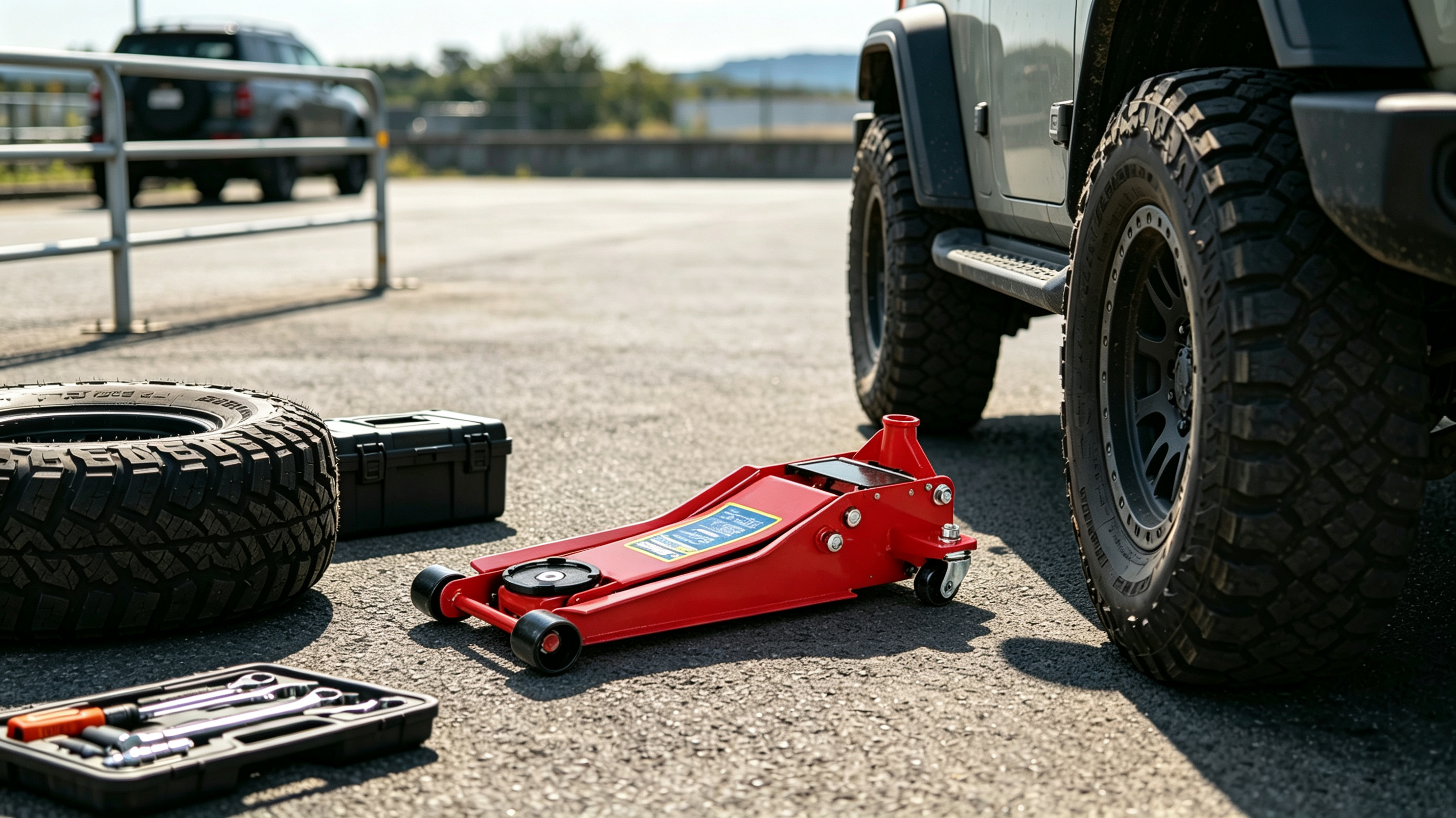
1.3 Insufficient Hydraulic Stroke
Low-cost ultra-thin jacks sacrifice lifting stroke for lower retracted height. They can slide under the chassis but fail to lift tires fully off the ground, unable to complete routine maintenance.
1.4 Weak Structural Strength
Low-end jacks reduce steel thickness to achieve ultra-thin appearance, prone to distortion and offset under load. Professional products adopt optimized alloy structure to balance slim size and structural stability.
1.5 Incomplete Safety Support
Conventional jack stands cannot adapt to the limited lifting travel of low-chassis vehicles. Working under vehicles only supported by hydraulic jacks poses high risks of pressure loss and vehicle falling.
2. Core Selection Parameters
Tool selection depends on actual measured parameters rather than marketing labels. Key indicators include overall retracted height, load capacity, lifting stroke, base structure and saddle compatibility.
2.1 Minimum Overall Retracted Height
The overall height including base, rollers and saddle determines compatibility. 95mm-100mm for factory sports cars, within 80mm for mildly modified cars, and 60mm-75mm for extreme stance vehicles to ensure smooth and scratch-free access.
2.2 Rated Load and Safety Margin
Select according to vehicle curb weight with a safety margin of over 30%. Products with overload pressure relief valves are preferred to avoid equipment damage and safety accidents caused by overloading.
2.3 Effective Lifting Stroke
Tire replacement requires 80mm-120mm ground clearance, and deep chassis maintenance needs larger stroke. Qualified jacks balance low retracted height and sufficient working stroke.
2.4 Base Structure and Craftsmanship
Integrated stamped alloy steel base ensures high rigidity and stability. Rounded corners and embedded rollers prevent body scratches, while wide base design avoids sliding and tipping.
2.5 Saddle Compatibility
Replaceable rubber anti-slip saddles protect chassis paint and reinforcing ribs from hard extrusion. Dedicated small saddles adapt to narrow lifting points of high-performance cars and modified chassis.
3. Tool Performance and Scenario Comparison
3.1 Ultra-Thin Hydraulic Floor Jack
Core equipment for garages and auto repair shops, with 60mm-95mm retracted height compatible with most low-chassis vehicles. Equipped with fast hydraulic system, precision cylinder and overload protection, featuring stable lifting, anti-leakage and high durability.
Suitable for tire replacement, brake service, chassis and exhaust maintenance. Ultra-low stance vehicles can be matched with lifting shims. Verify actual dimension, safety structure and complete accessories before procurement.
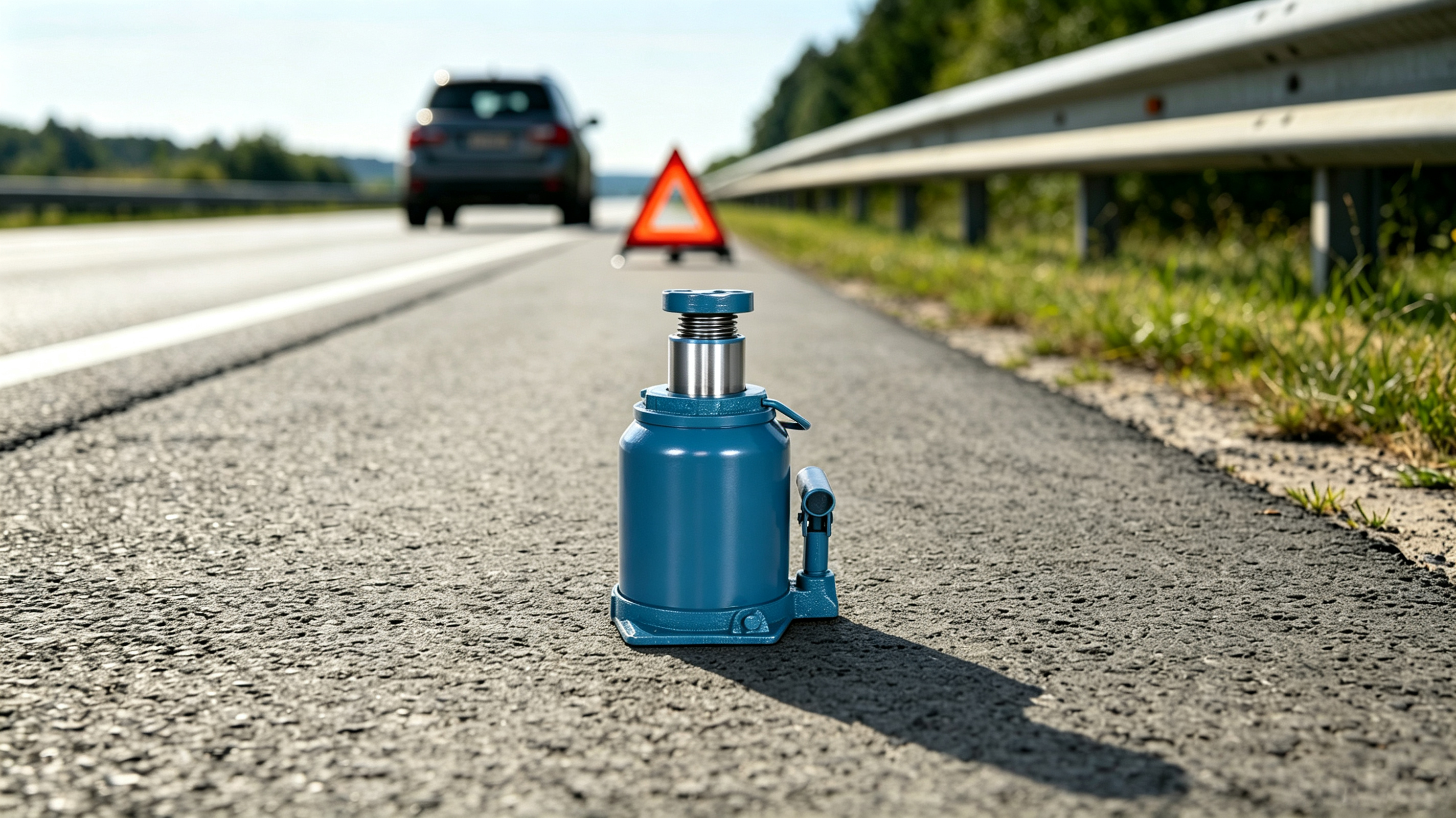
3.2 Short Compact Bottle Jack
Compact, lightweight and cost-effective, with optimized low retracted height for low-chassis access.
Limited stroke and labor-intensive operation, only applicable for roadside emergency tire replacement, not for long-term or commercial maintenance.
3.3 Low-Profile Jack Stands
Mandatory safety equipment for underbody work. Low-profile design adapts to limited lifting travel of low-chassis vehicles. Paired use with stable locking structure and wide base greatly improves operational safety.
High-strength thickened construction is required to prevent structural failure and safety accidents.
3.4 High-Strength Lifting Shim Kit
Professional auxiliary accessories for fine-tuning lifting gaps of extreme low-stance vehicles. Industrial steel and modified nylon shims feature high load capacity and anti-slip performance. Multi-gradient sizes fit various modified chassis. Wood, bricks and plastic blocks are prohibited for safety concerns.
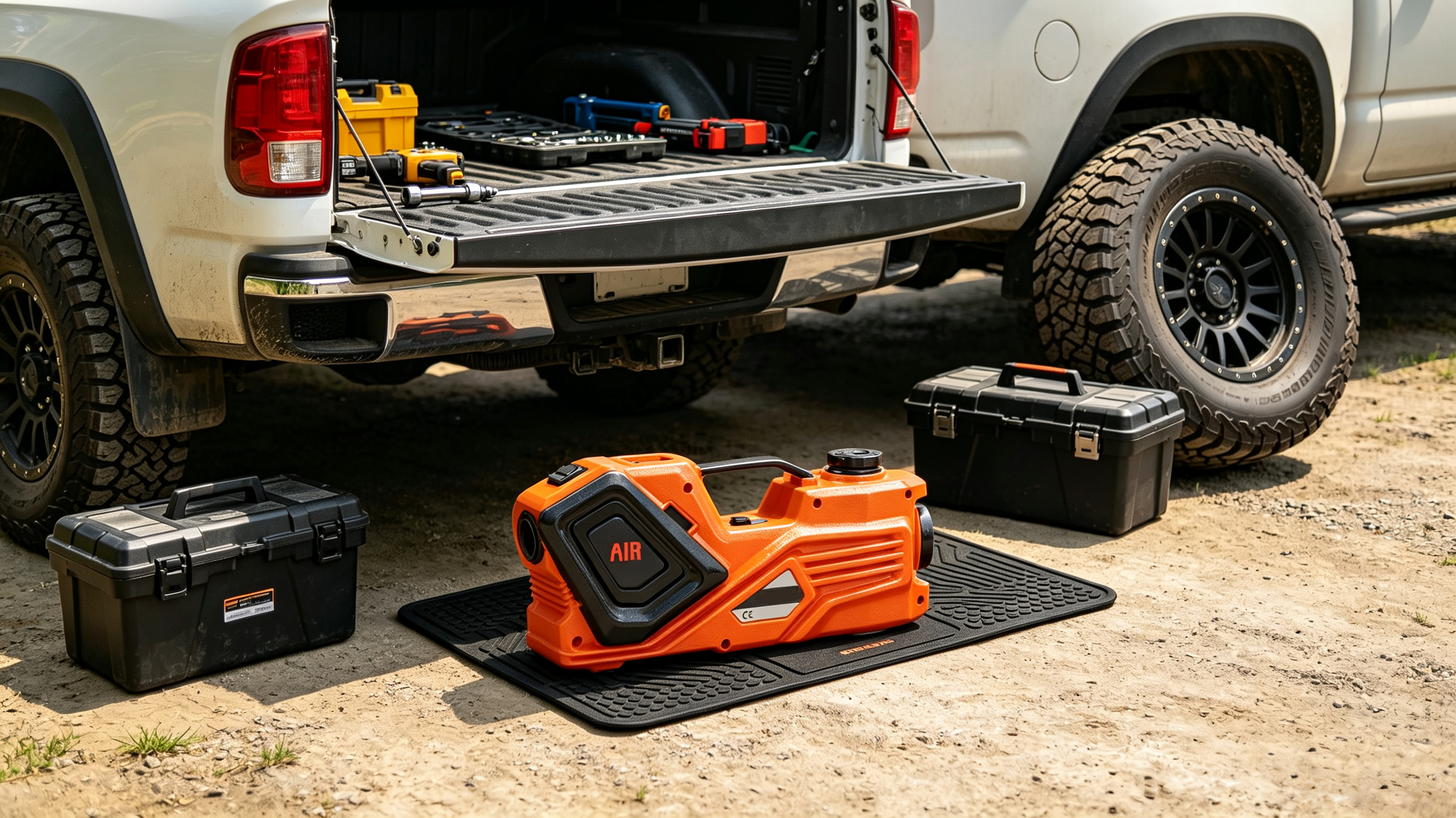
3.5 Recessed Ultra-Thin Pneumatic Lift
Flush ground design achieves zero barrier access for all ultra-low chassis vehicles. Large tonnage and high stability support high-frequency batch maintenance in professional modification shops.
Requires civil engineering installation with high cost, only suitable for professional workshops instead of private garages.
4. Common Misoperations and Safety Risks
Forced jack placement, operation without safety stands, lifting weak chassis parts, purchasing exaggerated parameter products, working on sloped or soft ground and using non-standard shims are typical wrong operations. These behaviors easily cause body damage, equipment failure and personal safety accidents.
5. Scenario-Based Procurement Solutions
5.1 Private Garage DIY
Choose 2-3 ton ultra-thin floor jack (within 95mm retracted height) with overload protection and replaceable rubber saddles, matched with low-profile jack stands and gradient shims. Short bottle jacks are only for emergency use.
5.2 Small and Medium Auto Repair Shops
Equip professional ultra-thin floor jacks to replace standard models, reserve multi-spec saddles, shims and low-profile safety stands, and unify operation specifications to reduce maintenance risks.
5.3 Professional Modification Shops
Adopt high-performance ultra-thin floor jacks as basic equipment, and install recessed pneumatic lifts for high-volume workshops. Equip customized saddles, full-spec shims and multiple safety stands to formulate targeted lifting schemes for modified vehicles.
5.4 Roadside Emergency
Lightweight short bottle jacks are portable for temporary tire replacement, not for deep maintenance or long-term vehicle support.
6. Standard Lifting Operation Procedures
Park the vehicle on solid and flat ground, engage the handbrake and parking gear, and fix wheels. Confirm factory lifting points and avoid fragile chassis parts and blocked areas caused by modification.
Check jack conditions and install matched rubber saddles. Lift the vehicle evenly, confirm stability after tires leave the ground, then place paired jack stands to bear vehicle weight. Only carry out underbody work after complete locking.
After maintenance, lift the vehicle to remove safety stands, clean up underbody sundries, and lower the vehicle steadily to complete operation.
With rich automotive tool industry experience, we provide targeted low-chassis lifting tool selection solutions for individual users, repair shops, modification studios and bulk purchasers, fully meeting various low-clearance vehicle maintenance needs.
