Cross-Border Auto Repair Tool Purchasing Standards: Durability & Rust-Proof Material Selection Guide
Cross-border auto tool exports require stricter standards for durability, rust resistance and compliance than domestic products. Long-term maritime transportation with high humidity and salt fog easily causes rust, peeling coating and performance attenuation, leading to returns and negative reviews. Cross-border procurement should focus on material technology, anti-rust treatment and international compliance rather than low price only.
This article introduces exclusive cross-border purchasing standards, material performance comparison, professional rust-proof selection skills and common pitfalls, helping foreign trade buyers select high-quality tools and reduce after-sales risks.
1. Core Cross-Border Purchasing Standards
1.1 Industrial Grade Material Durability
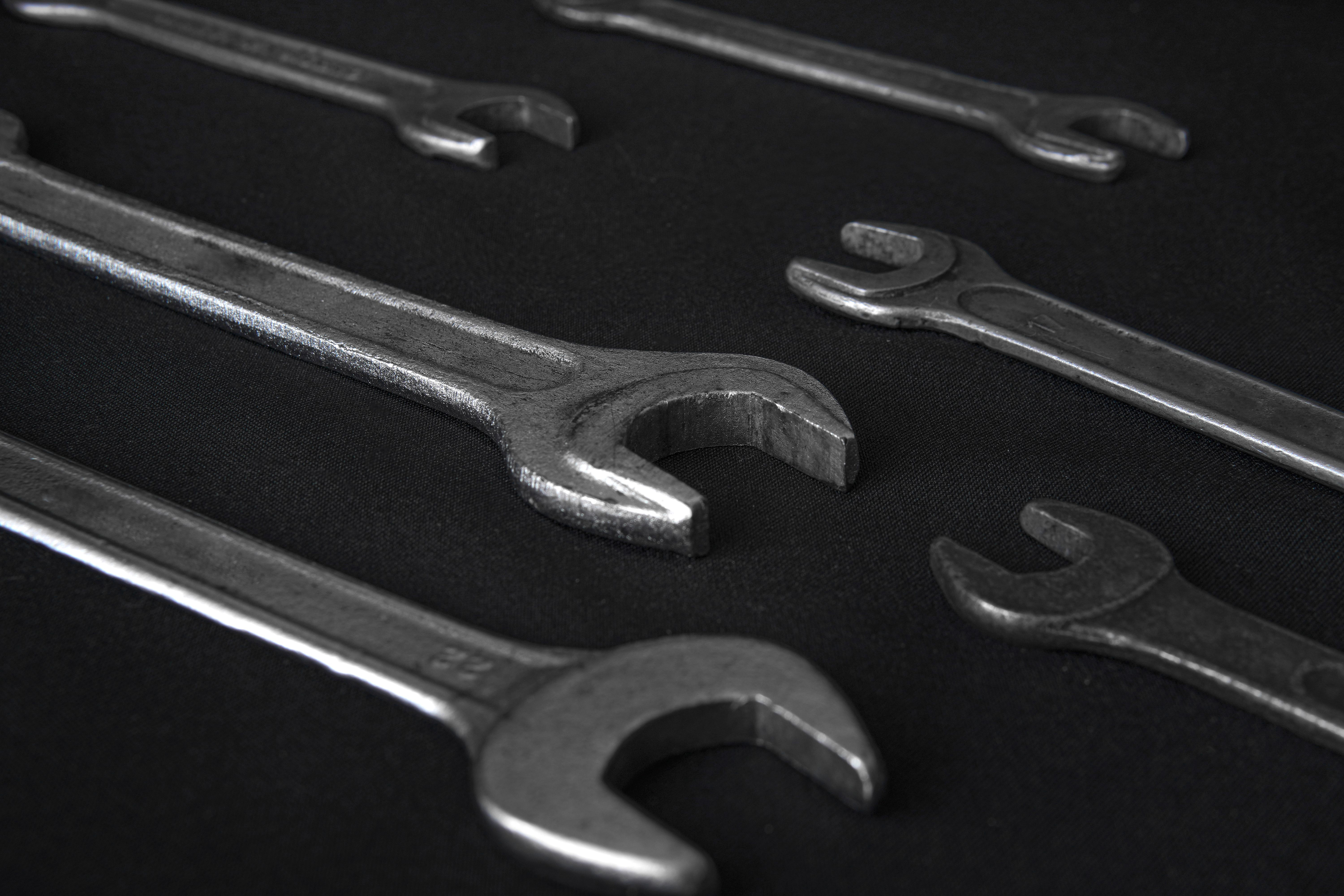
High-quality export tools adopt 50BV30, Cr-V and Cr-Mo alloy steel with integral forging and heat treatment. The hardness reaches HRC52-60, ensuring no slipping, bending or breaking under high torque. Ordinary carbon steel with low hardness is not suitable for cross-border export due to easy deformation and rusting.
1.2 Maritime Grade Rust Resistance
Tools must withstand humid and salt fog maritime environments. Qualified products adopt dense electroplating and sealed anti-rust treatment to avoid floating rust and coating peeling during long-distance transportation and overseas storage.
1.3 International Compliance Certification
Products must comply with RoHS, REACH, ISO and ASTM standards to avoid customs detention and market removal. Complete material test reports ensure consistent parameters and reliable quality.
1.4 High Precision Workmanship
Accurate clamping gap and standard size tolerance prevent screw wear and slipping. Fine polishing and electroplating improve both anti-rust performance and user experience.
2. Main Material Durability & Rust Resistance Comparison
2.1 50BV30 Alloy Steel
With excellent strength, toughness and fatigue resistance, it is the first choice for high-end European and American exports. It maintains stable performance under heavy load and high temperature, with superior salt fog resistance after standard electroplating.
2.2 Cr-V Chrome Vanadium Steel
The most cost-effective mainstream material for cross-border export. Balanced toughness and basic anti-rust performance meet most daily maintenance scenarios, suitable for general tool sets and conventional orders.
2.3 Cr-Mo Chrome Molybdenum Steel
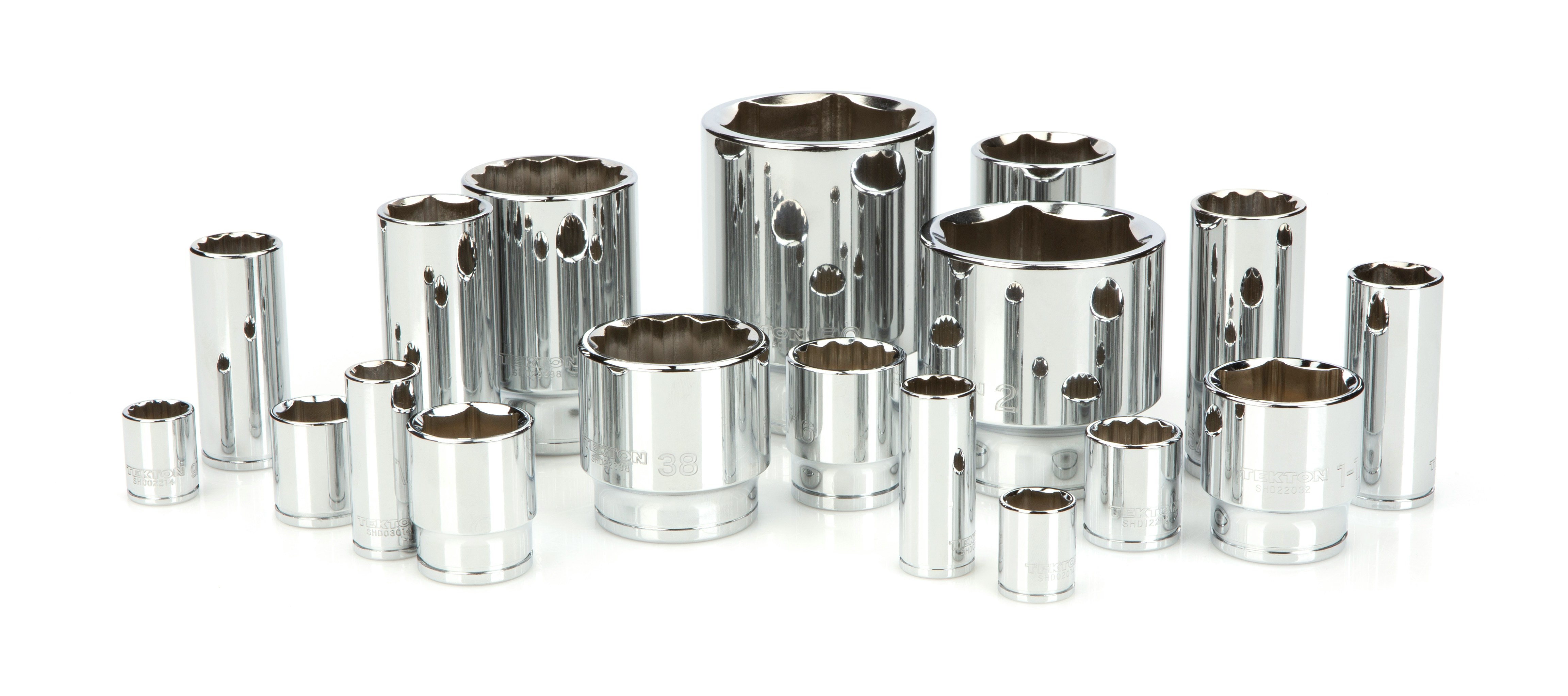
Featured with high temperature resistance and deformation resistance, it is applied to heavy-duty tools such as impact sockets. Reliable anti-rust performance depends on high-standard surface coating.
2.4 Ordinary Carbon Steel
Low hardness and poor corrosion resistance, easily rust and deform. It is prohibited for formal cross-border export due to high after-sales risk.
3. Professional Rust-Proof Selection Skills
3.1 Standard Plating Thickness
Qualified export tools adopt multi-layer electroplating with 10-15μm chromium thickness, uniform and compact without pinholes. Thin and rough plating causes oxidation and peeling in salt fog environments.
3.2 Salt Fog and Moisture Resistance Test
Reliable suppliers provide salt fog test and material inspection reports. Matched with moisture-proof bags and anti-rust oil, tools can adapt to long-distance maritime transportation and humid overseas warehouses.
3.3 Appearance Identification of Craftsmanship
High-quality anti-rust tools have uniform luster, delicate surface and no oxidation spots. Inferior products have rough surfaces and fragile coatings, which are prone to rust after short-term use.
4. Common Purchasing Mistakes
Typical errors include prioritizing low price over material standards, fake alloy steel plating, exaggerated anti-rust parameters and missing compliance certificates. Counterfeit tools with carbon steel base easily rust and deform after shipment, causing batch returns and brand losses.
5. Regional Targeted Procurement Solutions
5.1 European and American High-End Markets
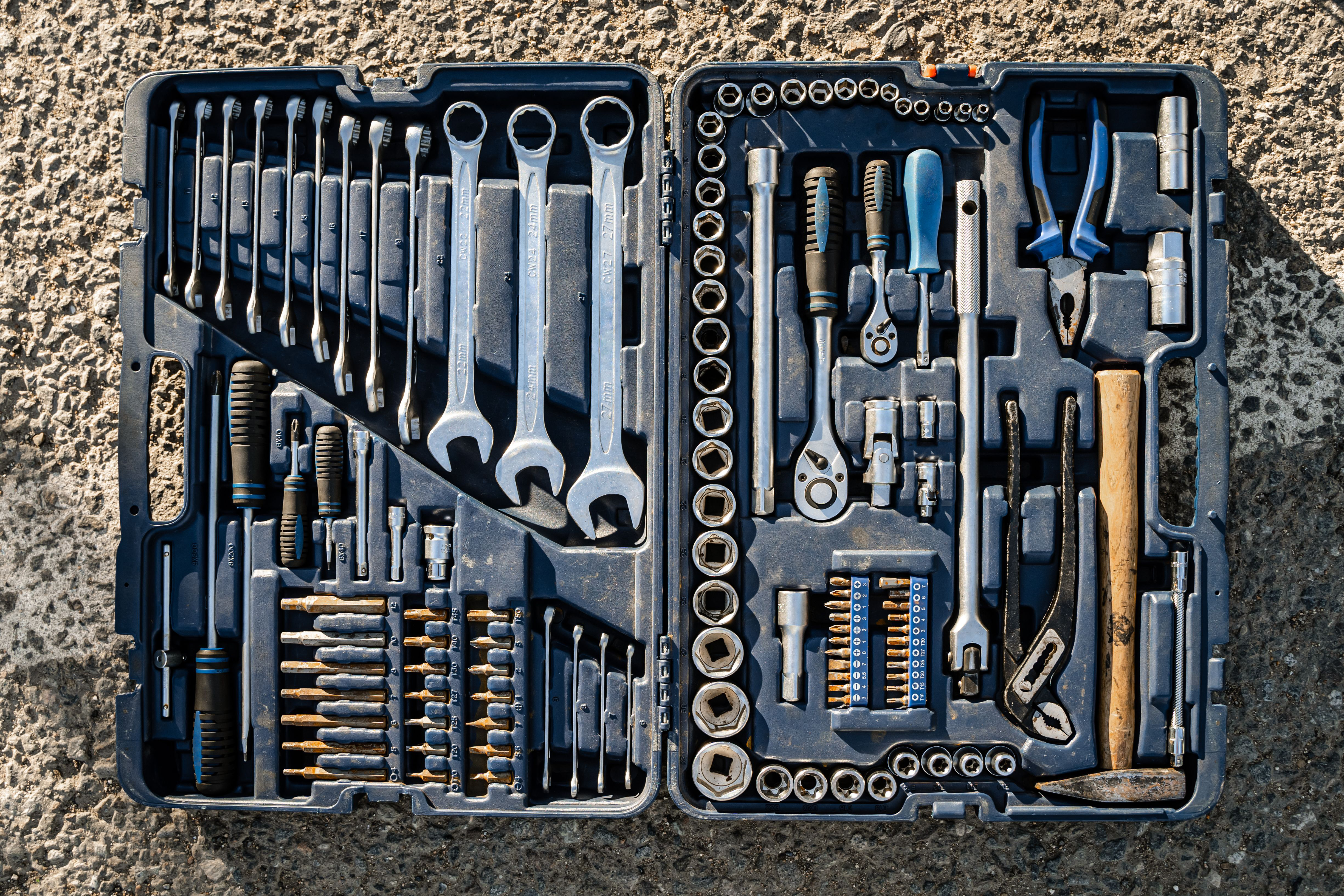
Adopt 50BV30 or high-grade Cr-V materials with thickened anti-rust plating and complete compliance certificates, targeting professional repair shops and high-standard end users.
5.2 Southeast Asian and Middle Eastern Coastal Markets
Strengthen multi-layer anti-rust electroplating and moisture-proof packaging to adapt to high humidity and salt fog climate, effectively avoiding corrosion problems.
5.3 African and South American Demand Markets
Cost-effective standard Cr-V tool sets with qualified basic hardness and anti-rust performance balance quality and price for general maintenance needs.
With rich experience in cross-border auto tool supply chain, we provide targeted procurement solutions with reliable durability, superior rust resistance and full compliance for different regional markets, helping clients reduce after-sales risks and enhance product competitiveness.
